Best Crypto Casinos Examples: Top Platforms Worth Knowing in 2026
The crypto casino space has matured considerably. Where early platforms were rough around the edges, today's leading sites rival — and often outperform — traditional online casinos on speed, transparency, and player experience. The challenge now is cutting through the noise to find platforms that actually deliver on their promises.
This guide organizes the best crypto casino examples by category, so whether you prioritize game selection, privacy, or blockchain-verified fairness, you'll know exactly where to look.
What Makes a Crypto Casino Stand Out
A crypto casino earns its reputation through a combination of transparency, security, and genuine player value — not just by accepting Bitcoin. The platforms worth your time share a few consistent traits.
Licensing and regulation remain foundational. Reputable platforms operate under jurisdictions like Curaçao or the Malta Gaming Authority (MGA), which require audited RTP (Return to Player) rates and financial accountability. Curaçao licenses are more common in crypto gambling due to lower barriers, while MGA licensing signals a stricter compliance standard.
Beyond licensing, look for:
- Provably fair gaming — cryptographic verification that game outcomes haven't been manipulated
- Fast withdrawals with low or zero transaction fees (a genuine crypto advantage over bank transfers)
- Cold wallet storage and two-factor authentication (2FA) for account and fund security
- Transparent house edge disclosures across game categories
The tradeoff worth understanding upfront: platforms that offer maximum anonymity sometimes operate with lighter regulatory oversight. That's a deliberate choice some players make, but it's a choice that should be made with eyes open.
Examples of Crypto Casinos Known for Game Variety
The strongest platforms for game variety host thousands of titles from multiple providers, covering slots, live dealer tables, and classic table games — all playable with Bitcoin, Ethereum, and other coins.
Stake is one of the most cited examples in this category. It combines a massive slots library from providers like Pragmatic Play and Hacksaw Gaming with original in-house games and a full live casino section. The platform processes Bitcoin and Ethereum deposits instantly, and its own Stake Originals titles are built with provably fair mechanics.
BC.Game is another strong example, particularly for players who want variety beyond the standard offering. It features crash games, dice, and a rotating selection of exclusive titles alongside conventional slots. The game library spans several hundred providers, which is rare at crypto-native sites.
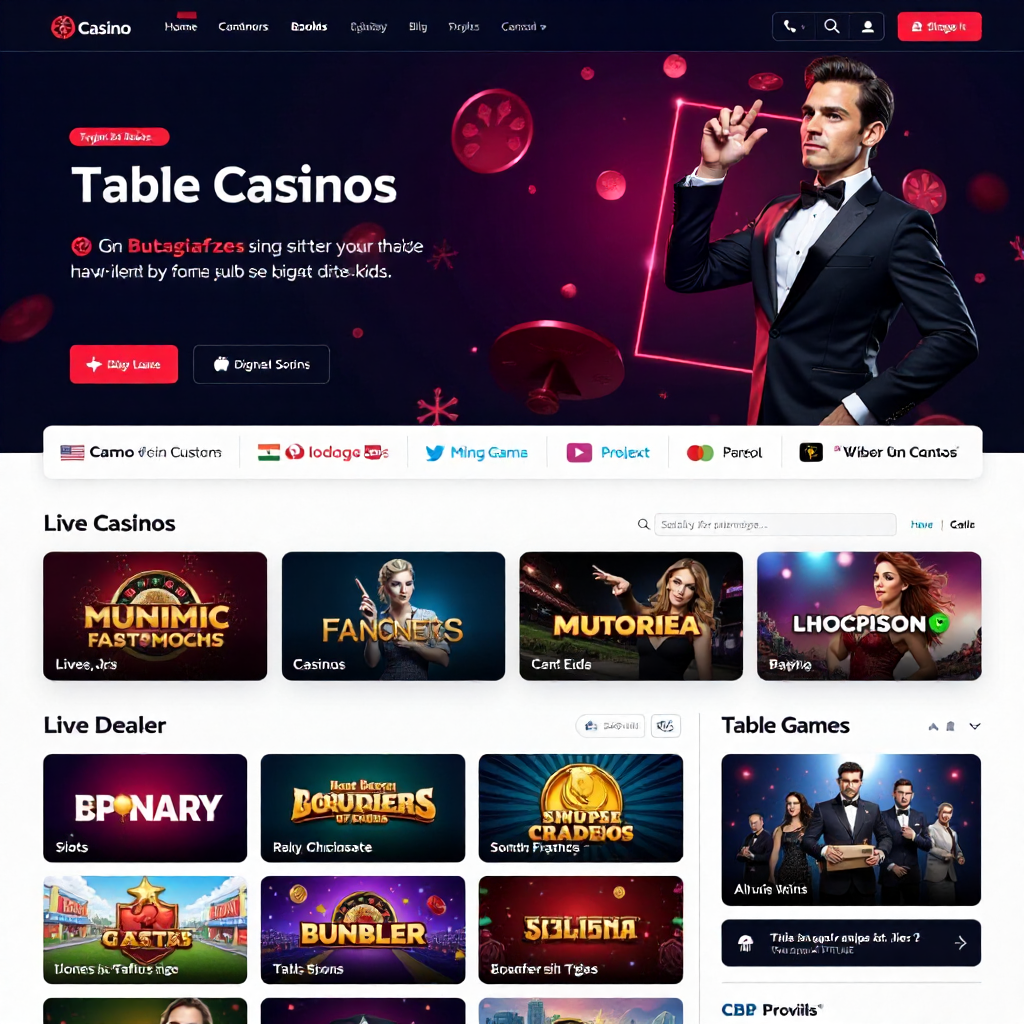
When evaluating game variety, RTP transparency matters as much as raw numbers. A casino listing 5,000 games means little if house edge figures aren't disclosed. The better platforms publish theoretical RTP ranges per game category — typically 94–97% for slots and tighter margins for table games.
Examples of Crypto Casinos with Strong Bonus Offers
Crypto casino bonuses tend to be more aggressive than their fiat counterparts, partly because lower processing costs give operators more room to compete on welcome packages and ongoing promotions.
Bitstarz has built a reputation specifically around its welcome bonus structure, offering matched deposits across multiple first deposits plus free spins on Bitcoin deposits. It's frequently referenced in independent casino review communities for having wagering requirements that are achievable rather than purely theoretical.
mBit Casino is another example worth noting for cashback programs tied to crypto activity. Rather than generic reload bonuses, it structures rakeback and VIP rewards around actual betting volume — which suits higher-frequency players more than casual ones.
A practical note on no-deposit bonuses: these exist at some crypto platforms but are typically smaller than advertised headline numbers suggest once wagering requirements are factored in. A 30x wagering requirement on a 0.001 BTC no-deposit bonus means playing through roughly 0.03 BTC before withdrawing — worth calculating before committing time to it.
Examples of Crypto Casinos Focused on Anonymity
KYC-free or minimal-KYC platforms appeal to players who prefer not to submit identity documents to access gambling services. Several established platforms have built their model around this.
Cloudbet has operated since 2013 and allows account creation with just an email address for most deposit and withdrawal activity. Identity verification only becomes required at higher withdrawal thresholds, which suits casual to mid-volume players who never reach those limits.
TrueFlip and several newer platforms operate with wallet-based registration — connect a crypto wallet and play, with no email required at all. This is the furthest end of the anonymity spectrum and increasingly common among newer launches.
The honest tradeoff here: anonymous platforms typically fall under lighter regulatory frameworks. If a dispute arises, the recourse mechanisms are weaker than at MGA-licensed platforms. Players choosing anonymity over regulation are accepting that risk, and it's worth being explicit about that rather than treating it as a footnote.
Examples of Crypto Casinos with Provably Fair Games
Provably fair gaming uses cryptographic hash functions to let players independently verify that each game result was generated fairly, before and after the bet. It's one of the clearest differentiators between crypto casinos and traditional online casinos.
The verification process works like this: before a game round, the casino publishes a hashed server seed. After the round, it reveals the unhashed seed. The player can combine that with their own client seed to independently reproduce the result and confirm it wasn't altered. Cryptographic hash functions make retroactive manipulation computationally impossible.
Primedice is one of the earliest and most straightforward examples — a provably fair dice platform where the verification tool is built directly into the interface. Stake's original games also include on-site provability checks for each title they develop in-house.
FortuneJack extends provably fair mechanics across a broader game selection than most, applying the standard to blackjack and roulette variants in addition to the simpler crash and dice formats where it's more common.
Examples of Crypto Casinos Supporting a Wide Range of Coins
Most crypto casinos accept Bitcoin and Ethereum as a baseline. The platforms that stand out for altcoin support go considerably further, accommodating players who hold Litecoin, Dogecoin, Ripple (XRP), Tether (USDT), and various other assets.
BC.Game again earns mention here — it supports over 100 cryptocurrencies including stablecoins like USDT and USDC, which is useful for players who want to play without exposure to BTC price volatility. Stablecoin gambling has grown noticeably as a preference among players who've had withdrawals fluctuate in value between bet and cashout.
Crypto.games and Nitrogen Sports cover a narrower game selection but compensate with broad coin acceptance across major altcoin ecosystems. For players whose primary holdings aren't BTC or ETH, this matters more than having access to 4,000 slot titles.
One practical consideration: even when a platform lists 50+ supported coins, always check whether your specific coin is available for both deposit and withdrawal, or just one direction. Some platforms accept altcoin deposits but auto-convert to BTC internally, which introduces conversion fees and exchange rate exposure.

How to Choose the Right Crypto Casino for You
The right platform depends almost entirely on what you're actually prioritizing — there's no single best crypto casino, only the best one for a specific set of needs.
A simple decision framework:
- If game variety is your priority, focus on platforms with multiple major game providers, published RTP data, and a live casino section. Stake and BC.Game consistently appear in this category.
- If bonuses drive your decision, compare wagering requirements before welcome package sizes. A 100% match with 20x wagering beats a 200% match with 50x wagering in almost every scenario.
- If privacy matters most, look for wallet-based registration or email-only signup with no mandatory KYC below your expected withdrawal levels — and accept the regulatory tradeoff consciously.
- If you want verified fairness, filter for platforms where provably fair tools are accessible within the game interface, not buried in a help section.
- If you hold altcoins, verify coin support for your specific asset and confirm two-way deposit/withdrawal availability before registering.
Withdrawal speed is worth checking independently. Crypto casinos generally process withdrawals in minutes rather than days, but some platforms impose manual review windows of 24–48 hours for larger amounts. Review recent player feedback on withdrawal times — this is where most real-world complaints surface, and it's a reliable signal of operational quality.
Frequently Asked Questions
Are crypto casinos legal to play at?
The legality depends on your country of residence, not where the casino is licensed. Most crypto casinos are licensed offshore (Curaçao being the most common), which means they operate legally under that jurisdiction but may be in a legal grey area in countries with strict gambling regulations. Check your local laws before depositing.
What is provably fair gaming and why does it matter?
Provably fair gaming uses cryptographic verification to prove that each game result was determined before your bet was placed and wasn't altered afterward. It gives players independent verification of fairness without relying solely on auditors — a meaningful transparency upgrade over traditional RNG-based systems.
How fast are withdrawals at crypto casinos compared to traditional ones?
Crypto withdrawals typically process in minutes once approved by the platform. Traditional online casinos using bank transfers or e-wallets often take 1–5 business days. The difference is most noticeable with Bitcoin and Litecoin; stablecoin withdrawals on certain networks can be near-instant.
Do crypto casinos require identity verification (KYC)?
Many crypto casinos allow registration without KYC, at least up to certain withdrawal thresholds. Some platforms require identity documents only when withdrawals exceed specific limits or when flagged by anti-money laundering systems. Fully anonymous platforms exist but typically operate under lighter regulatory frameworks.
Which cryptocurrencies are most widely accepted at online casinos?
Bitcoin (BTC) and Ethereum (ETH) are accepted almost universally. Litecoin (LTC), Dogecoin (DOGE), Ripple (XRP), and stablecoins like USDT and USDC are supported at most mid-to-large platforms. Broader altcoin support beyond these varies significantly by platform.