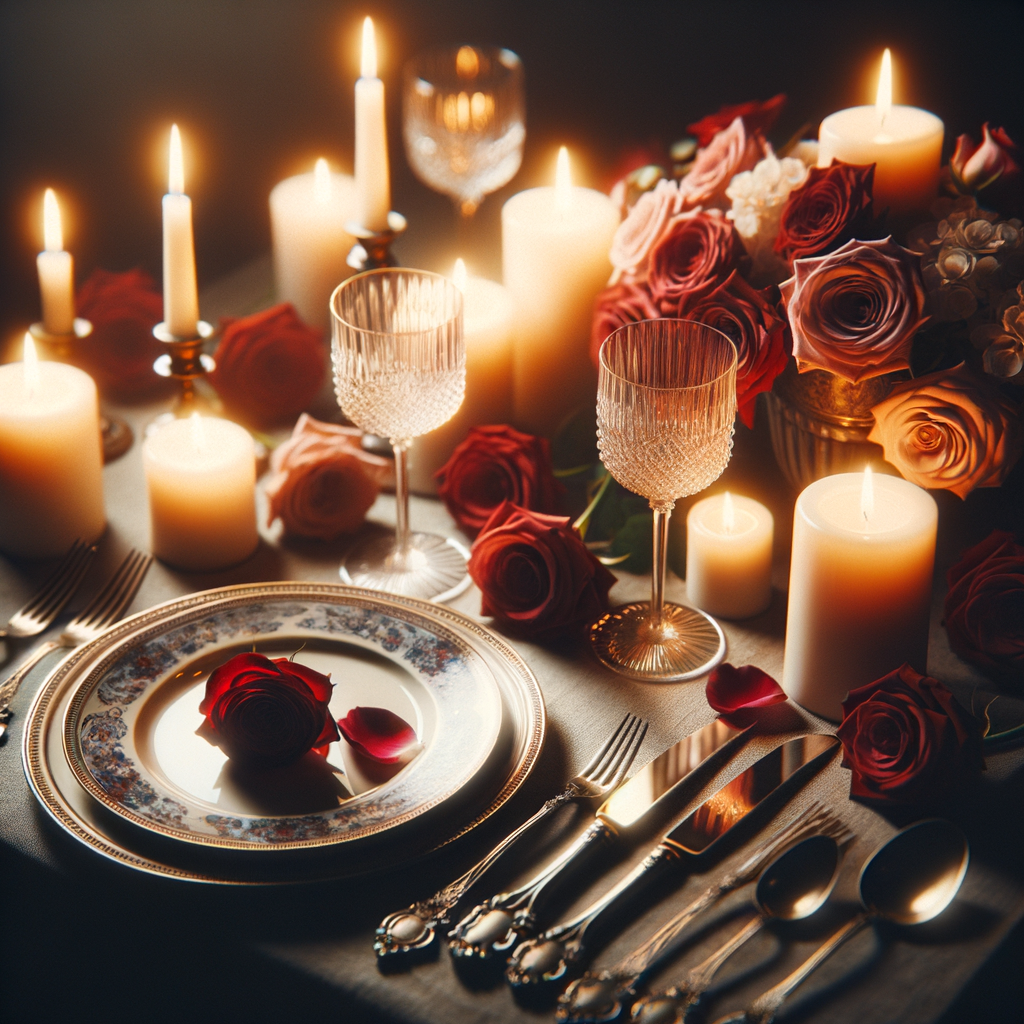
Three years ago, I stood in my small apartment kitchen, anxiously checking the oven temperature for the fifth time. My partner was arriving in thirty minutes for what I hoped would be a memorable romantic dinner. My bank account showed $147, and I'd allocated just $42 for the entire evening. When she walked through the door to the scent of braised short ribs and candlelight, her eyes lit up in a way that no expensive restaurant had ever achieved. That evening cost less than a single entrée at the steakhouse downtown, but it became one of our most cherished memories. The secret wasn't the money—it was the thoughtfulness, planning, and effort that transformed a budget constraint into an opportunity for genuine intimacy.
You don't need a hefty budget to create romance. What you need is strategic planning, smart shopping, and an understanding that the most meaningful romantic experiences come from personal effort rather than expensive settings. Whether you're celebrating an anniversary, planning a special date, or simply wanting to show someone they matter, a home-cooked romantic dinner offers something restaurants can't: complete personalization, undivided attention, and the unmistakable message that your partner is worth your time and creativity.
This guide will walk you through every aspect of planning a romantic dinner on a budget, from setting realistic cost expectations to selecting impressive-yet-affordable menu options, creating restaurant-quality ambiance for pennies, and managing your timeline so you appear calm and collected rather than stressed and sweaty. By the end, you'll have a complete blueprint for an evening that feels like a $150 restaurant experience while costing $30-50.
Why Planning a Romantic Dinner at Home Beats Restaurants (Even Without the Budget)
Home dining creates deeper intimacy and costs 60-70% less than restaurant meals while offering complete control over personalization and atmosphere. A romantic dinner for two at a mid-range restaurant typically runs $80-150 after appetizers, entrées, drinks, tax, and tip. That same evening at home costs $30-50 for higher-quality ingredients, and the experience feels more intimate because you've eliminated crowds, noise, wait times, and the performative aspects of public dining.
The financial advantage is obvious, but the emotional benefits matter even more. When you cook for someone, you're investing your time and effort in a way that restaurant dining can't replicate. Your partner watches you create something specifically for them. There's no hurried server checking if you need the table back, no neighboring conversations bleeding into your romantic moment, no bright overhead lighting killing the mood. You control every detail—the music, the lighting, the pacing, the privacy—creating an environment designed exclusively for connection.
Restaurants excel at convenience, but home dining excels at intimacy. You can pause between courses to slow dance in your kitchen. You can linger over dessert without feeling rushed. You can laugh together when something doesn't go perfectly without embarrassment. The imperfections become part of your shared story rather than service failures.
For those worried about cooking skills, here's the reality: you don't need to be a chef to create an impressive meal. Strategic menu selection focuses on recipes with simple techniques that look and taste far more complex than they are. A perfectly roasted chicken with lemon and herbs requires only basic skills but delivers restaurant-quality results. Pan-seared salmon with a simple butter sauce takes twelve minutes and appears sophisticated. The key is choosing dishes that maximize impressive presentation while minimizing technical difficulty.
Budget constraints actually drive creativity rather than limiting it. When you can't throw money at expensive ingredients or restaurant reservations, you invest thought instead. You research recipes, plan thoughtfully, shop strategically, and execute with care. That visible effort communicates love and respect more powerfully than simply making a reservation and handing over a credit card. Your partner recognizes the time you invested, and that recognition deepens emotional connection.
Setting Your Budget: How Much to Spend and Where
A romantic dinner for two at home costs $30-50 for a complete three-course meal including beverages and ambiance, which is 60-70% less than comparable restaurant dining. This budget breakdown provides realistic ranges and strategic allocation guidance, removing the guesswork from budget planning and ensuring you invest your money where it creates the most impact.
The total amount you spend depends on your financial situation and the occasion, but even modest budgets create impressive results. Here's how different budget levels break down:
Realistic Budget Ranges for Two People
Minimal Budget ($25-35): Focuses on affordable proteins like chicken thighs or pasta-based dishes, simple salads, and DIY ambiance using items you already own. Skips wine or uses what you have on hand. Perfect for casual romantic dinners or when money is particularly tight.
Comfortable Budget ($40-60): Allows for better protein cuts like salmon, flat iron steak, or bone-in chicken breasts. Includes a decent bottle of wine ($10-15), fresh herbs, and a few ambiance purchases like candles or flowers. This range delivers restaurant-quality ingredients while maintaining substantial savings over dining out.
Special Occasion Budget ($70-90): Permits splurge ingredients like short ribs, scallops, or quality cheese. Includes better wine ($18-25), elaborate dessert components, and thoughtful ambiance details. Still represents less than half the cost of anniversary dinner at a nice restaurant.
Smart Budget Allocation Framework
Strategic cost distribution ensures your money creates maximum romantic impact. Use this framework to allocate your total budget:
Main Ingredients (40-50% of budget): Your protein and primary components deserve the largest allocation. On a $50 budget, invest $20-25 here. Quality matters for main course ingredients because they're the meal's centerpiece. This doesn't mean buying the most expensive cut—it means choosing the best option within your budget and shopping strategically.
Pantry and Staples (10-15%): Budget $5-8 for items you'll need to purchase like olive oil, specific spices, flour, or vinegar. Many staples you likely already own, so audit your pantry first and only buy what's missing. These purchases often serve multiple future meals, making them investments rather than single-use expenses.
Beverages (15-20%): Allocate $8-10 for wine, cocktail ingredients, or special non-alcoholic options. This budget supports one good bottle of wine ($10-12) or ingredients for signature cocktails. Alternatively, suggest your partner brings the wine, which removes this cost entirely while allowing them to contribute.
Ambiance Elements (5-10%): Reserve $3-5 for purchased atmosphere enhancers like candles, a single flower stem, or nice napkins. Most ambiance costs nothing—dimmed lights, curated music, cleaned spaces—but a few dollars on candles or flowers adds polish. Dollar stores and grocery store floral sections offer budget-friendly options.
Contingency Buffer (10%): Hold $3-5 for unexpected needs like a forgotten ingredient or last-minute addition. This buffer prevents stress when you realize you need lemon juice or discover your butter supply ran out. Having this cushion means one small oversight doesn't derail your entire plan.
Where to Splurge vs. Save
Splurge on: Your main protein (this makes or breaks the meal), fresh herbs (dried don't deliver the same flavor impact for romantic dishes), and one special ingredient that elevates the meal (quality cheese, real vanilla, fresh lemon). These investments create memorable flavor and show thoughtfulness.
Save on: Side dishes and starches (potatoes, rice, and simple vegetables cost little but fill out the plate), decorations (DIY approaches using candles and items you own), and beverages if needed (good $10 wine exists, or serve impressive mocktails). These areas provide quality on a budget without sacrifice.
Use what you have: Pantry staples you've already purchased (oils, vinegars, spices, flour, sugar), existing candles or string lights, serving dishes and nice plates you own, and table linens or cloth napkins from your closet. Inventory these items before shopping to avoid duplicate purchases. One partner I cooked for was more impressed that I used my grandmother's serving platter than if I'd bought something new—the personal touch mattered more than pristine matching dishware.
Planning Your Menu: The Three-Course Framework
A three-course structure (appetizer, main course, dessert) creates restaurant-quality dining progression while allowing strategic budget allocation and make-ahead preparation that minimizes in-the-moment cooking stress. This format paces the evening naturally, builds anticipation between courses, and demonstrates sophistication without requiring advanced culinary skills.
Multi-course dining matters for romantic dinners because it extends the evening and creates natural conversation breaks. Each course serves a distinct purpose: the appetizer stimulates appetite and sets an elegant tone, the main course delivers satisfaction and showcases your cooking ability, and dessert provides a sweet conclusion and transitions to post-dinner relaxation. This progression feels special and intentional rather than simply serving a large plate of food.
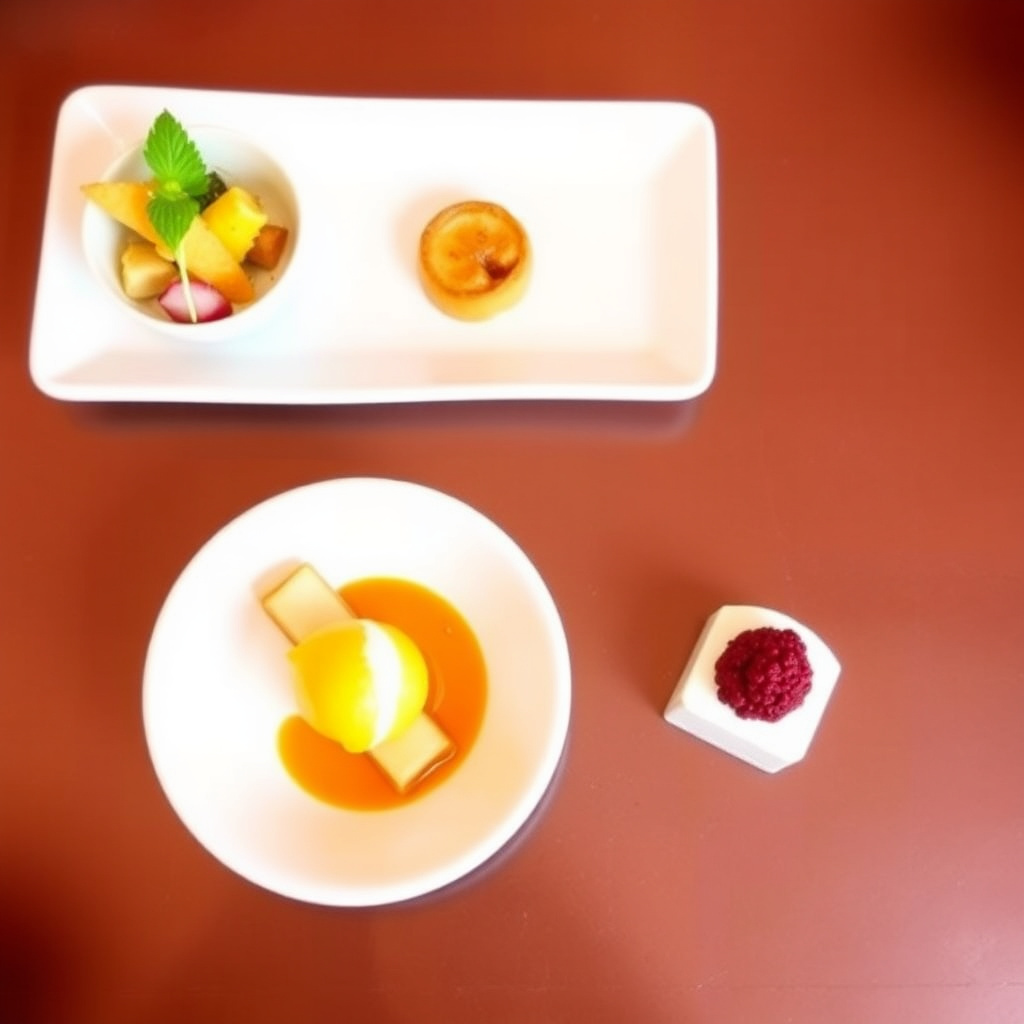
When selecting recipes for each course, prioritize balance across temperatures, flavors, and textures. If your appetizer is cold and acidic (like a salad), your main course should be warm and savory. If your main is rich and heavy, your dessert should be light. This contrast prevents palate fatigue and ensures each course feels distinct. Additionally, choose recipes that accommodate different preparation timelines—ideally, your appetizer and dessert can be made partially or completely in advance, allowing you to focus on the main course when your partner arrives.
For dietary restrictions, select naturally accommodating dishes rather than substitution-heavy recipes. A vegetarian guest appreciates a thoughtfully chosen pasta primavera more than a steak dinner where you've awkwardly removed the meat. Ask about restrictions and preferences early: "Do you have any foods you avoid or can't eat?" This simple question prevents disasters and shows consideration. Budget-friendly accommodations exist for nearly every restriction—beans and lentils provide affordable vegetarian protein, rice and potatoes work for gluten-free needs, and olive oil-based dishes avoid dairy naturally.
Course 1 - Appetizers That Impress Without Breaking the Bank
Appetizers should be light, visually appealing, and primarily cold or room temperature so you can prepare them in advance without last-minute cooking. The best budget romantic appetizers balance elegance with simplicity—they look impressive on the plate but require minimal technical skill. Focus on fresh ingredients with bright flavors that cleanse the palate and create anticipation for the main course.
Classic Caprese Salad with Balsamic Reduction | Difficulty: Easy | Cost: $8-10 | Prep Time: 15 minutes | Make-Ahead: Balsamic reduction 1 day before, assemble 30 minutes before serving
This Italian appetizer delivers visual impact and fresh flavors with only four main ingredients. Slice 2-3 large heirloom tomatoes and fresh mozzarella into 1/4-inch rounds. Arrange alternating slices on a white plate with fresh basil leaves tucked between. Drizzle with olive oil, sprinkle with flaky sea salt and cracked black pepper, then finish with balsamic reduction. For the reduction, simmer 1 cup balsamic vinegar over medium heat until reduced by half and syrupy (about 15 minutes), then let cool. The reduction can be made a day ahead and stored in a jar. Assemble the salad just before serving so tomatoes don't release too much liquid.
Pro tip: Use peak season tomatoes (summer) for best flavor, or substitute with halved roasted cherry tomatoes in winter. The roasting concentrates sweetness and prevents watery texture. Buy mozzarella from the deli section where it's fresher and often cheaper than pre-packaged.
Garlic-Herb Crostini with Whipped Feta | Difficulty: Easy | Cost: $6-8 | Prep Time: 20 minutes | Make-Ahead: Feta spread 2 days ahead, toast bread 4 hours before
Crostini feels sophisticated but costs little and requires minimal cooking. Slice a French baguette into 1/2-inch rounds and brush with olive oil. Toast in a 400°F oven for 8-10 minutes until golden and crispy. For the whipped feta, blend 8 oz feta cheese with 3 tablespoons olive oil, 2 tablespoons lemon juice, 1 minced garlic clove, and fresh herbs (dill, oregano, or basil) until smooth and creamy. Spread feta mixture on toasted crostini and top with cherry tomatoes, cucumber, or a drizzle of honey.
Budget note: Check your grocery store's bakery section at closing time for day-old baguettes at 50% off. They're perfect for crostini since you're toasting them anyway. The feta spread keeps for five days refrigerated, so make it ahead without quality loss.
Simple Arugula Salad with Lemon Vinaigrette | Difficulty: Easy | Cost: $5-7 | Prep Time: 10 minutes | Make-Ahead: Vinaigrette 3 days ahead, assemble just before serving
This elegant salad proves that simple ingredients properly executed impress more than complicated recipes executed poorly. Toss 4 cups baby arugula with shaved Parmesan, toasted pine nuts or walnuts, and lemon vinaigrette. For the vinaigrette, whisk together 3 tablespoons olive oil, 1 tablespoon fresh lemon juice, 1 teaspoon Dijon mustard, 1 minced garlic clove, salt, and pepper. The key is balancing acid and oil—taste and adjust. Dress the salad just before serving so greens don't wilt.
Pro tip: Toast nuts in a dry skillet for 3-4 minutes to intensify flavor. This small step makes store-bought nuts taste premium. Save money by buying a small wedge of Parmesan and shaving it yourself with a vegetable peeler—it looks more elegant than pre-shredded cheese and costs less per serving.
Course 2 - Main Courses That Look Expensive But Aren't
Main courses anchor your romantic dinner, so choose proteins and preparations that deliver impressive presentation and rich flavors while remaining achievable for home cooks. The best budget main courses use affordable cuts prepared with techniques that maximize tenderness and flavor, paired with simple sides that complement rather than compete. Focus on dishes you can largely prepare in advance, leaving only final cooking or reheating for when your partner arrives.
Pan-Seared Chicken Breast with Lemon-Butter Sauce | Difficulty: Easy | Cost: $10-12 | Prep Time: 30 minutes | Make-Ahead: Brine chicken morning of, cook during dinner
Chicken breast gets a bad reputation for being bland, but proper technique creates restaurant-quality results. Brine two 6-8 oz boneless, skinless chicken breasts in salt water (1/4 cup salt per quart of water) for 2-4 hours. Pat completely dry, then season with salt and pepper. Heat 2 tablespoons olive oil in a skillet over medium-high heat until shimmering. Sear chicken for 6-7 minutes per side until golden brown and internal temperature reaches 165°F. Remove chicken and let rest while making the pan sauce.
For the sauce, reduce heat to medium and add 2 tablespoons butter to the skillet. Once melted, add 2 minced garlic cloves and cook for 30 seconds. Add 1/2 cup chicken broth and juice of 1 lemon, scraping up browned bits. Simmer until reduced by half, then whisk in 2 more tablespoons cold butter until sauce is glossy. Pour sauce over sliced chicken and garnish with fresh parsley. Serve with roasted vegetables (carrots, Brussels sprouts, asparagus tossed in olive oil and roasted at 425°F for 20 minutes) and simple rice pilaf.
Pro tip: The brine is non-negotiable—it ensures juicy, flavorful chicken every time. Room temperature chicken sears better than cold, so remove from the refrigerator 20 minutes before cooking. Slice the chicken on a diagonal before plating to showcase the juicy interior and create visual appeal.
Braised Short Ribs (Budget-Friendly Luxury) | Difficulty: Medium | Cost: $15-18 | Prep Time: 3.5 hours (mostly hands-off) | Make-Ahead: Cook 1 day ahead, reheat before serving
Short ribs sound expensive, but they're an affordable cut when bought bone-in, and braising transforms them into melt-in-your-mouth luxury. This is my signature romantic dinner dish because it makes the house smell incredible and can be made entirely the day before, eliminating day-of stress. Season 2 lbs bone-in short ribs with salt and pepper. Sear in a Dutch oven over high heat until deeply browned on all sides, about 10 minutes total. Remove ribs and set aside.
Reduce heat to medium and add 1 diced onion, 2 diced carrots, and 2 diced celery stalks. Cook until softened, about 8 minutes. Add 3 minced garlic cloves and 2 tablespoons tomato paste, cooking for 2 minutes. Add 2 cups red wine and scrape up browned bits. Add 2 cups beef broth, 2 bay leaves, and fresh thyme sprigs. Return ribs to pot, bring to simmer, cover, and transfer to 325°F oven for 2.5-3 hours until meat is fork-tender.
The next day, remove the solidified fat from the top, reheat gently on the stovetop, and serve over creamy polenta or mashed potatoes. The meat will fall off the bone—portion one or two bones per person depending on size. This dish reheats beautifully, actually improving in flavor overnight, making it the ultimate stress-free romantic main course.
Budget note: Ask your butcher for English-cut short ribs, which are more affordable than flanken-cut. Shop on Wednesday or Thursday when meat departments often discount cuts approaching their sell-by date—perfectly safe for braising. Use an inexpensive red wine ($8-10 bottle) since the cooking process mellows harsh flavors.
Pasta Carbonara (Elevated Simplicity) | Difficulty: Medium | Cost: $8-10 | Prep Time: 25 minutes | Make-Ahead: Prep ingredients ahead, cook during dinner
Carbonara exemplifies how simple ingredients become magical through proper technique. This Roman classic requires only pasta, eggs, Parmesan, pancetta or bacon, and black pepper—yet it tastes luxurious and sophisticated. Cook 12 oz spaghetti in heavily salted water according to package directions. While pasta cooks, dice 4 oz pancetta or bacon and cook in a large skillet over medium heat until crispy. Remove from heat.
Whisk together 3 egg yolks, 1 whole egg, and 1 cup grated Parmesan in a bowl. When pasta is al dente, reserve 1 cup pasta water, then drain. Add hot pasta to the skillet with pancetta, toss, then remove from heat. Quickly stir in egg mixture, adding pasta water a little at a time to create a creamy sauce that coats the pasta. The residual heat cooks the eggs without scrambling them. Season generously with cracked black pepper and serve immediately with extra Parmesan.
Pro tip: Temperature control is everything—if the pan is too hot, you'll get scrambled eggs. Remove from heat before adding the egg mixture and work quickly. The pasta water's starch creates silky texture, so don't skip reserving it. Practice this dish once before your romantic dinner to master the technique, then you'll execute confidently. Serve with a simple arugula salad dressed with lemon and olive oil.
Course 3 - Desserts That Create the Perfect Finale
Desserts should feel indulgent without being heavy after a multi-course meal, and the best romantic desserts incorporate interactive or theatrical elements that create shared experiences. Choose options you can either make completely in advance (like molten cakes assembled and ready to bake) or prepare together in the moment (like s'mores or chocolate fondue), creating flexibility based on how the evening flows.
Molten Chocolate Lava Cakes | Difficulty: Medium | Cost: $6-8 | Prep Time: 15 minutes prep + 12 minutes baking | Make-Ahead: Assemble ramekins 4 hours ahead, bake during dinner
Molten lava cakes feel like restaurant-level indulgence but require only six ingredients and take twelve minutes to bake. Butter and cocoa-powder four 6-oz ramekins. Melt 4 oz dark chocolate with 1/2 cup butter in a double boiler. Let cool slightly. Whisk together 2 eggs and 2 egg yolks with 1/4 cup sugar until thick and pale. Fold in chocolate mixture, then fold in 2 tablespoons flour and pinch of salt. Divide batter among ramekins.
You can refrigerate the prepared ramekins for up to 4 hours before baking. When ready for dessert, bake at 425°F for exactly 12-14 minutes—centers should be set at the edges but still jiggly in the middle. Let cool for 1 minute, then carefully invert onto plates. The center will flow out like lava when cut. Dust with powdered sugar and serve with fresh raspberries or a small scoop of vanilla ice cream.
Pro tip: Timing is everything—30 seconds can mean the difference between molten centers and fully-cooked cake. Test your oven with a practice batch before the romantic dinner. The dramatic moment of cutting into the cake and watching chocolate flow out creates a memorable finale. This dessert has rescued more than one of my romantic dinners when conversation lulled—the shared "wow" reaction reignites energy.
Indoor S'mores Experience | Difficulty: Easy | Cost: $5-7 | Prep Time: 10 minutes | Make-Ahead: Set up ingredients, make during/after dinner
S'mores bring playful nostalgia to romantic dinners, and the interactive assembly creates bonding moments. Set up a tabletop s'mores station using a small cooking torch (kitchen stores sell them for $10-15, or use candles carefully) or broil marshmallows in the oven. Provide graham crackers, quality chocolate bars (splurge on Ghirardelli or dark chocolate), and large marshmallows. Let your partner toast their own marshmallow—the process sparks conversation and laughter.
The beauty of s'mores is flexibility—make them during dessert time or later in the evening during post-dinner conversation. They're interactive, nostalgic, and require no cooking skill. The cost advantage compared to elaborate desserts is significant, and the experience often matters more than complexity. One of my most memorable romantic dinners ended with s'mores on the balcony under string lights, extending the evening naturally.
Budget note: Use regular Hershey's chocolate or store-brand graham crackers to keep costs minimal. The experience matters more than premium ingredients here. If you don't want to buy a cooking torch, broil assembled s'mores (chocolate between graham crackers topped with marshmallows) for 2-3 minutes in the oven, watching carefully to prevent burning.
Strawberries with Chocolate Fondue | Difficulty: Easy | Cost: $8-10 | Prep Time: 10 minutes | Make-Ahead: Prep strawberries ahead, make fondue during dessert
Chocolate fondue combines simplicity with romantic feeding opportunities that create intimacy. Melt 8 oz dark chocolate with 1/2 cup heavy cream in a double boiler or microwave (stirring every 30 seconds). Add 1 teaspoon vanilla extract and pinch of salt. Wash and dry 1 lb fresh strawberries, leaving stems on for easy dipping. Arrange strawberries on a plate around a small bowl of warm chocolate.
The act of feeding each other chocolate-dipped strawberries creates playful intimacy and extends dessert into a shared activity rather than just consumption. If strawberries are expensive or out of season, substitute with banana slices, pound cake cubes, or dried fruit. The chocolate sauce can be made 2 days ahead and gently reheated before serving. Keep extra chocolate sauce warm by placing the bowl over a larger bowl of hot water.
Pro tip: Dark chocolate (70% cocoa) provides sophisticated flavor without being too sweet after a full meal. Add a tablespoon of liqueur (Grand Marnier, Kahlua, or Chambord) to the fondue for adult complexity if desired. The visual of glossy chocolate and bright red strawberries photographs beautifully—a small detail, but it shows thought.
15 Budget-Friendly Ways to Create Romantic Ambiance
Romantic ambiance relies on thoughtful sensory design rather than expensive purchases, with lighting, sound, and environment control creating intimacy through attention to detail. Most impactful romantic atmosphere elements cost nothing—they require only intentional preparation and execution. These fifteen strategies transform ordinary spaces into romantic settings without budget strain.
1. Dim overhead lights and use side lamps only (Cost: $0) - Bright overhead lighting kills romantic mood by being too alert and practical. Turn off or dim ceiling lights to 30% and rely exclusively on table lamps, floor lamps, or string lights positioned at eye level or below. Warm-toned bulbs (2700K-3000K) create cozier ambiance than cool white bulbs. Test lighting levels before your partner arrives to ensure you can still see food clearly but the space feels intimate.
2. Create strategic candle clusters of varying heights (Cost: $5-10) - Rather than single candles scattered randomly, group 5-7 candles of different heights on the table as a centerpiece. This creates visual interest and concentrated light that draws focus. Use unscented candles for the table so fragrance doesn't compete with food aromas. Dollar stores sell basic taper and pillar candles affordably. Place additional candles in the bathroom, entryway, and post-dinner seating area.
3. Curate a 90+ minute playlist and test volume (Cost: $0) - Music fills silence without demanding attention. Create a playlist long enough to cover the entire dinner without repeating. Choose instrumental jazz, classical guitar, bossa nova, or acoustic covers—genres that create mood without distracting vocals or jarring tempo changes. Test volume before your partner arrives—music should be clearly audible but allow normal conversation without raising voices. I use my phone's Spotify with a Bluetooth speaker, but a laptop works equally well.
4. Use your nicest dishes and linens already owned (Cost: $0) - Presentation signals effort and care. Use the best dishes, glasses, and serving pieces you own rather than everyday items. If you own cloth napkins, tablecloths, or placemats, this is their moment. The visual upgrade shows intentionality. If you lack "nice" dishes, simple white plates always work—they make food look elegant regardless of brand. The contrast between white plates and dark placemats or tablecloths creates restaurant-quality visual appeal.
5. Create a simple centerpiece with single flower or floating candles (Cost: $3-8) - Centerpieces don't require elaborate arrangements. A single rose, sunflower, or orchid stem in a small vase makes a statement. Alternatively, float tea lights in a shallow bowl of water for simple elegance. Grocery store floral sections sell individual stems for $2-5. Avoid heavily scented flowers like lilies that overpower food. The centerpiece should be low enough (under 12 inches) to maintain eye contact across the table.
6. Set room temperature to 68-70°F before guest arrives (Cost: $0) - Physical comfort enables emotional openness. A too-cold or too-hot room distracts from connection. Adjust temperature 30 minutes before your partner arrives so the space reaches comfortable equilibrium. Slightly cooler is better than too warm—you can always offer a blanket as an intimate gesture, but overheated spaces make people uncomfortable and sleepy.
7. Remove all visible clutter from sightlines (Cost: $0) - Clutter creates subconscious stress and signals lack of preparation. Clear all surfaces visible from the dining area—countertops, coffee tables, side tables. Put away mail, dishes, random items. The space doesn't need to be sterile, but it should feel intentional. When I've forgotten this step, I've noticed my date's eyes wandering to stacks of papers or piles of stuff, breaking the romantic bubble.
8. Put phones in another room on silent mode (Cost: $0) - Phone presence—even face-down—creates unconscious distraction and signals divided attention. Establish upfront that phones will be in another room for the evening (except for emergencies). This boundary shows your partner has your complete focus. The dinner becomes sacred time unpolluted by outside interruptions.
9. Use cloth napkins, even improvised from nice kitchen towels (Cost: $0) - Cloth napkins feel more formal than paper and show attention to detail. If you don't own cloth napkins, fold nice kitchen towels or even bandanas into triangles for napkin service. This tiny upgrade has outsized impact on perceived thoughtfulness. Rolling silverware inside cloth napkins and tying with twine adds an extra polish that takes 30 seconds.
10. Add subtle scent 30 minutes before arrival (Cost: $0-5) - Scent powerfully impacts mood and memory, but subtlety is critical—overwhelming fragrance reads as trying too hard. Bake cookies or bread 30-60 minutes before your partner arrives so the lingering baking scent welcomes them without being obvious. Alternatively, light a lightly scented candle (vanilla, cedar, light citrus) in the bathroom or entryway, but never on the dining table where it competes with food.
11. Arrange seating for conversation (Cost: $0) - Avoid sitting at opposite ends of the table like a business meeting. Arrange place settings at a corner or on adjacent sides so you're close enough to touch hands and maintain comfortable eye contact without neck strain. If your table is rectangular, set places on the long side rather than short ends. Proximity enables intimacy.
12. Create soft lighting in bathroom too (Cost: $0) - Your partner will visit the bathroom, and harsh lighting there breaks the romantic spell. Place a candle or dim the lights in the bathroom too. Ensure it's clean with fresh hand towel and full toilet paper. This attention to spaces beyond the dining area shows comprehensive thoughtfulness. Details matter.
13. Designate a welcoming coat and bag spot (Cost: $0) - When your partner arrives, having a clear place for their coat and bag prevents awkward moments. Clear a coat hook or chair near the entrance. This small gesture makes them feel welcomed and expected rather than like you're figuring things out in the moment. First impressions set the tone for the entire evening.
14. Set the table 1-2 hours early (Cost: $0) - Setting the table hours before arrival eliminates last-minute rushing that creates visible stress. You can focus on cooking and your own preparation rather than frantically arranging plates while your partner waits. A fully set table also looks immediately impressive when your partner walks in, signaling that the evening has been thoughtfully planned.
15. Test lighting and music setup before arrival (Cost: $0) - Execute a full dry run of your ambiance 30 minutes before your partner arrives. Light all candles, start the music, adjust lighting, and walk through your space as if experiencing it for the first time. Fix anything that feels off. This rehearsal prevents discovering that a bulb is burnt out or music is too quiet when your partner is already there.
Your Foolproof Timeline: When to Do What
A structured preparation timeline eliminates execution stress by distributing tasks across multiple days and identifying which cooking can happen in advance versus in the moment. The key to appearing calm and collected during your romantic dinner is doing 70% of the work before your partner arrives, leaving only final cooking touches and service for the actual evening.
This timeline assumes a Saturday evening dinner with a 7:00 PM arrival time. Adjust timing based on your schedule, but maintain the general phase structure. The timeline works for any of the menu combinations suggested in this guide, with most tasks translating across different recipe choices.
Phase 1: 5-7 Days Before (Planning Stage)
Finalize your menu selection based on your partner's dietary preferences and your skill level. Create a comprehensive shopping list organized by store section (produce, meat, dairy, pantry). Check your pantry for items you already own—olive oil, spices, vinegar—to avoid duplicate purchases. Research any recipes you're unfamiliar with and watch technique videos if helpful. If trying a new main course, consider making a test batch earlier in the week to build confidence.
Phase 2: 3-4 Days Before (Strategic Shopping)
Complete your grocery shopping mid-week when stores are less crowded and selection is better. Shop Wednesday or Thursday for a Saturday dinner—fresh ingredients remain high quality, but you avoid Friday's picked-over shelves. Check store flyers for sales and consider adjusting your menu if key ingredients are on promotion. Purchase shelf-stable items (pasta, canned goods, wine) and long-lasting produce. Wait until closer to dinner for delicate items like fresh herbs or berries.
Phase 3: 1-2 Days Before (Advance Cooking)
This is your heavy cooking day. Make any dishes that improve overnight or can be stored refrigerated. For braised short ribs, complete the entire cooking process. For desserts like molten lava cakes, assemble ramekins and refrigerate covered. Prepare balsamic reduction for caprese salad. Mix and store whipped feta for crostini. Create your music playlist and test it. Deep clean your bathroom, dining area, and kitchen. This advance work means Saturday involves mostly reheating and assembly rather than complex cooking.
Phase 4: Morning Of Dinner Day (Final Prep)
Shop for any delicate last-minute ingredients (fresh herbs, greens, flowers). Complete appetizer components that don't hold overnight. Wash and prep all vegetables. Set your table completely—plates, glasses, silverware, napkins, centerpiece. Test your candle placement. Organize your kitchen workspace—clear counter space, empty dishwasher, lay out serving dishes. Brine chicken if that's your main course. Prep dessert components that need same-day assembly.
Phase 5: 2-3 Hours Before Arrival (Major Cooking Window)
Begin any cooking that requires 1-2 hour completion times. If roasting vegetables, start them now so they'll be ready to reheat. Get your main course to the point where only final cooking remains. Set up your ambiance—position candles but don't light them yet, test lighting levels, have matches ready. Clean your kitchen one final time—clear dishes, wipe counters, take out trash. This is also your personal preparation time—shower, dress nicely, and give yourself time to transition from cooking mode to hosting mode.
Phase 6: 1 Hour Before Arrival (Final Countdown)
Complete final cooking for components that need to be fresh. Begin final cooking on main course if timing requires (or have it ready to start when needed). Assemble appetizer on serving plates and refrigerate. Queue your music playlist to the beginning. Put your phone in another room on silent. Do a final walk-through of your space adjusting anything that feels off. Light candles 10 minutes before expected arrival so they've had time to create ambiance. Take a few deep breaths—you've prepared thoroughly and the evening will be successful.
Phase 7: 30 Minutes Before (Buffer and Calm)
This is built-in buffer time. If something took longer than expected, you have cushion to complete it. If everything is done, use this time to pour yourself a small glass of wine, put on music, and mentally shift into hosting mode. Check that your bathroom is still pristine. Ensure nothing in your kitchen is actively burning or boiling over. This buffer prevents the panicked rushing that happens when timing is too tight.
Phase 8: During Dinner (Service and Presence)
When your partner arrives, greet them warmly and show where to place their coat. Offer a drink and spend 10-15 minutes sitting comfortably in your living area before dinner—don't rush immediately to the table. When ready, serve the appetizer within 15 minutes. Clear appetizer plates casually between courses without making a production. Serve the main course when appetizer is complete and conversation has natural pause. Let the main course linger—there's no rush. Clear main course plates when finished, then wait 10-15 minutes before serving dessert, using this time to move to comfortable seating or remain at the table for extended conversation.
Phase 9: Post-Dinner (Cleanup Strategy)
Resist the urge to immediately tackle dishes. If your partner offers to help clean, graciously decline: "I'll handle these tomorrow—I want to enjoy the evening." If dishes are bothering you, hide them in the dishwasher even if they need proper washing later, or stack neatly beside the sink. Prioritize connection over cleanliness in the moment. The evening's success isn't measured by a spotless kitchen but by quality time together.
Smart Shopping Strategies to Stretch Your Budget
Strategic shopping reduces ingredient costs by 30-40% through seasonal selection, store choice, timing, and smart substitutions that maintain quality while cutting expenses. Where you shop, when you shop, and what substitutions you accept dramatically impact your final grocery total without sacrificing the meal's romantic impact.
When and Where to Shop for Best Prices
Shop mid-week (Wednesday or Thursday) rather than weekends for better selection, less crowded stores, and access to freshly stocked items. Weekend shopping means picked-over produce and stressed shoppers, while Wednesday shopping hits the sweet spot after mid-week restocking but before weekend crowds. For a Saturday dinner, shopping Thursday gives you optimal freshness without food spoiling.
Discount grocery chains like Aldi, Grocery Outlet, or ethnic markets offer significantly lower prices on staples, produce, and proteins compared to major chains. A recent shopping trip comparison showed Aldi charging $2.99 per pound for chicken breasts versus $5.99 at a standard supermarket—nearly 50% savings. Use discount stores for bulk items, pantry staples, and basic produce, then visit your regular grocery store only for specialty items not available elsewhere. Combining stores requires an extra stop but can save $10-15 on a $50 shopping trip.
Farmers markets offer excellent deals if you shop at closing time (last 30 minutes) when vendors would rather sell remaining items than pack them up. Arrive early for best selection or late for best prices. Build relationships with vendors by returning weekly—they often provide extra items or deals for familiar faces. Farmers market produce, especially in-season items, often costs less than grocery stores while delivering superior freshness and flavor that makes romantic dinners shine.
Ingredient Substitutions That Save Money Without Sacrificing Quality
Understanding smart substitutions allows you to maintain impressive dishes while significantly reducing costs. These swaps preserve quality and sometimes improve results:
Expensive protein → Affordable alternative: Salmon → tilapia or trout (saves $4-6 per pound), beef tenderloin → flat iron steak or tri-tip (saves $8-12 per pound), sea scallops → shrimp (saves $10-15 per pound), lamb chops → lamb shoulder chops (saves $5-8 per pound). These alternatives deliver similar textures and flavors with proper cooking techniques while dramatically reducing cost.
Fresh herbs → Dried conversion when appropriate: 1 tablespoon fresh herbs = 1 teaspoon dried herbs. This works well for oregano, thyme, and rosemary in cooked dishes. However, for dishes where fresh herbs are garnish or used raw (basil in caprese, cilantro in salads), dried substitutes fail—in these cases, omit entirely or use a small amount of fresh. A $3 container of dried herbs lasts months versus $2-3 per bunch of fresh that lasts days.
Specialty cheese → Similar flavor profile at lower cost: Gruyere → Swiss cheese (saves $4-6 per pound), fresh mozzarella → low-moisture mozzarella (saves $3-5 per pound), Manchego → aged white cheddar (saves $5-8 per pound), goat cheese → cream cheese with lemon juice and herbs (saves $4-6 per pound). These substitutions work especially well in cooked dishes where exact flavor nuances matter less.
Out-of-season produce → Frozen equivalent: Winter berries → frozen berries (often better quality and 40% cheaper), off-season asparagus → frozen asparagus for cooking (fresh only if in season and reasonably priced), tomatoes outside summer → canned San Marzano tomatoes for sauces. Frozen produce is picked at peak ripeness and flash-frozen, often delivering better flavor than mediocre fresh options.
Name brand → Store brand for staples: Store brand pasta, canned goods, flour, sugar, spices, oils, and vinegars typically match name brand quality at 20-40% lower cost. Conduct blind taste tests yourself—you'll find most store brands indistinguishable from name brands in cooked dishes.
Making Your Pantry Work For You
A well-stocked pantry reduces per-meal costs dramatically by providing the foundation for numerous dishes without additional purchases. Audit what you already own before shopping to avoid buying duplicates. Key romantic dinner pantry items include olive oil, vegetable oil, balsamic and red wine vinegar, soy sauce, Dijon mustard, flour, sugar, salt, black pepper, garlic powder, dried oregano, dried thyme, chicken and beef bouillon, pasta, rice, canned tomatoes, and onions.
Strategic pantry purchases serve multiple dishes across different meals. Buying a $10 bottle of decent olive oil feels expensive, but it serves 20+ meals. A $4 container of dried herbs lasts six months of weekly cooking. These investments spread costs across many meals rather than concentrating expense in one dinner.
For romantic dinners, focus on buying only what your existing pantry can't provide. If you already own garlic powder, oregano, and olive oil, you don't need to calculate those costs into your dinner budget. This makes supposedly expensive recipes quite affordable when pantry items are excluded from mental cost calculation.
Preparing Your Home: Beyond the Kitchen
Physical space preparation creates psychological comfort and demonstrates respect through cleanliness, organization, and attention to guest experience beyond just food and ambiance. Your romantic dinner succeeds or fails partially based on whether your partner feels relaxed in your space, and that relaxation requires more than just a clean dining table—it demands comprehensive attention to every area they'll encounter.
Priority zones require different levels of attention. The bathroom demands highest standards because it's where your partner will be alone and notice every detail. The dining area must be immaculate because it's where you'll spend most of the evening. The living room or post-dinner seating area should be tidy and comfortable. The kitchen needs to be functional and clean enough to cook without visible disaster. Focus your cleaning energy proportionally on these zones rather than deep-cleaning areas your partner will never see like bedroom closets or storage rooms.
Bathroom deep clean checklist: Scrub toilet inside and out, clean sink and counters completely, wipe mirror until spotless, sweep and mop floor, empty trash and replace bag, place fresh hand towel that's clearly unused, verify toilet paper is stocked with backup visible, remove all personal items from counters except soap and hand lotion, add small candle or air freshener for pleasant scent, check that nothing embarrassing is visible in medicine cabinet or shower. The bathroom test is real—your date will judge cleanliness standards here more than anywhere else, so make this spotless.
Dining area preparation: Clear table of all items 24 hours before dinner so it's ready to set properly, vacuum or sweep floor thoroughly especially under table where food might have dropped previously, dust any visible surfaces like sideboards or windowsills, check chair stability and wipe down seats, remove clutter from sightlines including counters and shelves visible from table, open windows briefly for fresh air even if cold outside, verify good lighting options are functional before dark.
Kitchen organization: Empty dishwasher so you have hiding place for dirty dishes during dinner, clear all counters of appliances and items not needed for cooking to maximize workspace, wipe down all surfaces including stovetop and counters, take out trash so it doesn't fill during cooking, organize ingredients and tools you'll need in logical sequence, put away any random items that accumulated on counters, sweep floor since you'll be walking in and out of kitchen repeatedly.
Living space tidying: Clear coffee table of magazines, remotes, and random items, arrange throw pillows and blankets neatly on couch, dust visible surfaces that would be obvious if touched, vacuum or sweep floor, turn off TV and put remote away out of sight, create designated beverage landing zones on coasters or small tables, verify comfortable seating temperature and adjust thermostat if needed.
Entryway staging: This is the first impression space so make it welcoming. Clear floor of shoes and clutter, designate obvious coat hook or place for guest to put their belongings, ensure good lighting for safety and welcome, sweep or vacuum entry rug, remove any unpleasant odors from shoe storage, add small welcoming touch like a plant or art that makes entry feel intentional.
Complete deep cleaning 2 days before your dinner, then do touch-up cleaning morning of the dinner. The two-day advance clean prevents exhausting yourself day-of, while morning touch-ups catch anything that happened between. Final check should happen 1 hour before partner arrives—walk through every space they'll encounter as if seeing it for the first time.
Navigating Dietary Restrictions on a Budget
Dietary restrictions and preferences require planning but rarely add more than $5-10 to dinner costs when approached through naturally accommodating dishes rather than expensive specialty substitutions. The key is asking about restrictions early, planning around them from the start rather than trying to retrofit existing recipes, and understanding which budget-friendly ingredients solve common dietary needs.
Discover restrictions before finalizing your menu through casual conversation: "Do you have any foods you avoid or can't eat?" or "Are there any dietary preferences I should know about?" This direct question prevents disasters and shows consideration. People with restrictions or strong preferences appreciate being asked rather than surprising them with unusable food. When they respond, follow up with "Is that an allergy or a preference?" to understand severity—allergies require absolute avoidance, while preferences can sometimes be worked around.
Vegetarian accommodations: Budget-friendly vegetarian proteins include eggs ($3-4 per dozen), beans and lentils ($1-2 per pound dried, serving 4-6), tofu ($2-3 per block), and cheese ($4-6 per pound). Build meals around these rather than expensive fake meats. Excellent romantic vegetarian mains include mushroom risotto, pasta primavera, shakshuka with eggs in tomato sauce, or stuffed bell peppers with quinoa and black beans. These dishes cost $8-12 total and feel substantial and impressive.
Vegan options: Vegan cooking on a budget focuses on vegetables, grains, legumes, and affordable plant-based fats. Use olive oil instead of butter, coconut milk instead of cream, and nutritional yeast instead of cheese for umami. A vegan romantic dinner might include roasted vegetable bruschetta for appetizer, mushroom and lentil ragu over pasta for main, and dark chocolate mousse made with avocado for dessert—total cost around $15-18 with everything being naturally vegan rather than using expensive substitutes.
Gluten-free substitutions: Rather than buying expensive gluten-free specialty products ($7-9 per box of pasta), build around naturally gluten-free ingredients like rice, potatoes, corn, quinoa, and polenta. Serve protein and vegetables over creamy polenta instead of pasta, or use rice noodles ($3-4 per package) instead of wheat pasta. Most main proteins and vegetable dishes are naturally gluten-free when you avoid breading or flour-thickened sauces. Added budget impact is typically $3-5 total.
Dairy-free solutions: Use olive oil or vegan butter ($4-5 per tub) instead of butter for cooking, coconut milk ($2-3 per can) instead of cream for sauces, and dairy-free chocolate ($4-6 per bar) for desserts. Many romantic main courses like roasted chicken, grilled fish, or braised meats don't require dairy at all—dairy often appears in sides and desserts where it's easier to substitute or omit.
Common allergen avoidance: For nuts, simply omit from recipes or substitute with seeds. For shellfish, choose finfish instead. For eggs, focus on dishes that don't require them structurally. Most appetizers and mains easily accommodate these restrictions with minimal menu adjustment.
Menu selection strategy significantly impacts cost and stress. Choose dishes that are inherently accommodating rather than ones requiring heavy modification. Serving a vegetarian guest pasta primavera is easier and cheaper than trying to veganize a cream-heavy recipe. A naturally gluten-free rice bowl with protein and vegetables works better than buying $8 gluten-free bread. Think inclusive from the start rather than adaptive after the fact.
Choosing the Right Beverages Without Overspending
Beverage selection complements food and creates perceived elegance through strategic wine or cocktail choices that balance quality and cost, with the $10-15 price point delivering restaurant-quality drinking experiences without budget strain. Drinks matter psychologically more than their actual cost suggests—a thoughtfully chosen $12 wine feels more special than drinking from a random bottle.
Budget Wine Strategy
The wine sweet spot for budget romantic dinners is $10-15 per bottle, which delivers quality that tastes like $25+ bottles to most people while staying affordable. At this price point, you find legitimate varietals from good regions with proper winemaking rather than mass-produced commodity wine. Trader Joe's and Costco excel in this range, with knowledgeable staff and excellent house brands.
For pairing simplicity, follow these basic guidelines: red wine (Merlot, Malbec, Pinot Noir) with red meat or rich pasta, white wine (Sauvignon Blanc, Pinot Grigio, Chardonnay) with chicken or fish, and rosé with nearly anything, especially lighter dishes or when you're unsure. Don't overthink pairings—even wine experts acknowledge that personal preference matters more than rigid rules.
Alternative strategy: Ask your date to bring the wine. When they inquire how to help, suggest they bring a red wine. This removes $10-15 from your budget, allows them to contribute meaningfully, and shows you value their input. They might surprise you with an excellent selection, turning beverage choice into their gift to the evening. This approach also takes pressure off you to be the wine expert.
Simple Cocktail Options
If offering cocktails instead of wine, choose one signature drink you can execute well rather than attempting full bar service. Simple cocktails with 3-4 ingredients work best: Aperol spritz (Aperol, prosecco, soda water), Moscow mule (vodka, ginger beer, lime), gin and tonic with fresh herbs, or whiskey sour (whiskey, lemon juice, simple syrup). Make drinks before your partner arrives or prepare components so mixing takes 30 seconds.
The advantage of cocktails over wine is that you can serve fewer drinks (1-2 cocktails through dinner) compared to finishing a full bottle of wine, potentially reducing alcohol consumption and keeping guests comfortable rather than tipsy. Cocktails also feel more crafted and special, demonstrating effort beyond opening a bottle.
Select cocktails where ingredients can be repurposed for other drinks or cooking. Buying Aperol or vermouth means future cocktails or recipes can use the remainder. Avoid buying multiple expensive spirits for one dinner—that defeats budget goals. Stick with one spirit base and build around ingredients you already own or can use elsewhere.
Sophisticated Non-Alcoholic Options
Not everyone drinks alcohol, and not every romantic dinner requires it. Offer sophisticated non-alcoholic beverages that feel intentional rather than defaulting to tap water. Sparkling water with fresh fruit and herbs (cucumber-mint, strawberry-basil, lemon-rosemary) looks elegant in a wine glass and costs under $3 total. Iced tea brewed from quality tea bags and served with fresh mint provides sophistication. Mocktails like virgin mojitos, Shirley Temples elevated with fresh fruit, or Italian sodas made with flavored syrup and sparkling water create special-occasion drinks without alcohol.
Presentation matters significantly for non-alcoholic drinks. Serve in proper glassware rather than plastic cups, add garnishes like fruit wheels or herb sprigs, and present drinks with same care as alcoholic options. The effort signals that non-drinking guests receive equal thoughtfulness, making them feel comfortable rather than like an afterthought.
Troubleshooting: When Things Don't Go As Planned
Cooking mishaps occur even for experienced cooks, but recovery strategies and proper attitude management transform disasters into shared memories rather than ruined evenings. Your response to problems matters more than the problems themselves—laughter and adaptability demonstrate confidence and create bonding moments, while panic and frustration poison the romantic atmosphere.
The fundamental philosophy for handling mistakes is this: the evening is about connection, not perfect food. Your partner will remember how they felt spending time with you far longer than whether the chicken was slightly overcooked. Acknowledge issues honestly with light humor ("Well, I think I turned the sauce into soup, but let's try it anyway") rather than apologizing profusely or pretending nothing is wrong. Apologies make your guest feel obligated to reassure you, shifting focus from connection to your anxiety.
Overcooked or dried-out protein: Slice meat thinly across the grain to minimize toughness, serve with extra sauce or gravy to add moisture, and present confidently. A butter-based pan sauce or even good olive oil drizzled over sliced chicken rescues dryness. If it's truly inedible, laugh about it, order pizza, and frame it as an adventure rather than failure. Some of my most memorable dinners involved backup plans.
Burnt food elements: Remove burnt portions by scraping or cutting away, adjust seasoning to balance any bitter flavors, and acknowledge it casually: "I got a little enthusiastic with the heat there." For burnt sauces or rice, salvage what isn't burnt and discard the rest. For burnt aromatics (garlic, onions), start fresh rather than letting bitter burnt flavor infect the entire dish. Have backup ingredients for this reason.
Timing disasters where everything finishes at different times: Keep finished food warm in a low oven (170°F) while other components complete. Alternatively, embrace the timing issue by serving courses more spaced out—what you framed as a timed multi-course meal can become a leisurely grazing evening. No one will know it wasn't intentional. Serve what's ready first while working on the rest, and engage in conversation rather than anxiously watching the stove.
Underseasoned or bland food: Put quality salt (sea salt or flaky salt) and pepper grinder on the table with instruction to "season to your preference." Add acid (lemon juice, vinegar) to brighten flavors—this fixes bland food more than extra salt. If you taste during plating and realize food is boring, hit it with fresh herbs, lemon zest, or a drizzle of good olive oil for immediate improvement.
Complete recipe failure: Have an emergency backup plan. Keep frozen pizza, pasta and jarred sauce, or ingredients for eggs and toast available as nuclear option. If your main course becomes inedible, pivot to the backup without dramatic announcement: "You know, I've been wanting to make this amazing [simple backup dish]—let's do that instead." Your adaptability impresses more than stubbornly serving bad food. Confidence matters more than culinary perfection.
Psychological approach to mistakes: Practice the phrase "Well, that didn't go exactly as planned" said with a smile rather than panic. This acknowledges reality, shows self-awareness, and invites your partner to laugh with you rather than worrying about your stress. My current partner has told me repeatedly that the dinners she remembers most fondly included mistakes I recovered from gracefully—those moments made me seem more human and real rather than trying to perform perfection.
The ultimate recovery strategy is maintaining perspective. You invited someone special to your home, invested time and thought into creating an experience for them, and demonstrated care through effort. Even if the food is mediocre, the gesture succeeds. Your partner chose to spend their evening with you, not with your cooking. Food facilitates connection rather than being the point itself.
Bringing It All Together: Your Romantic Dinner Success Checklist
A comprehensive checklist ensures nothing is forgotten while building confidence through systematic verification of preparation phases, transforming overwhelming planning into manageable steps executed across multiple days. Use this checklist to track progress and confirm readiness before your partner arrives.
5-7 Days Before:
☐ Menu selected based on skill level and partner preferences
☐ Budget allocated across meal components
☐ Shopping list created and organized by store section
☐ Recipes reviewed and techniques researched
☐ Timeline drafted with specific task assignments
3-4 Days Before:
☐ Groceries purchased at strategic stores
☐ Pantry inventory completed to avoid duplicate purchases
☐ All shelf-stable items and long-lasting produce obtained
☐ Music playlist created and tested
☐ Any recipe practice runs completed if needed
2 Days Before:
☐ Make-ahead cooking completed (braised dishes, dessert components)
☐ Balsamic reductions or sauces prepared
☐ Space deep-cleaned (bathroom, dining area, kitchen)
☐ Table setting selected and items located
☐ Ambiance plan finalized with candle placement decided
1 Day Before:
☐ Additional make-ahead items completed
☐ Vegetables washed and prepped
☐ Kitchen organized with equipment verification
☐ Living space tidied and comfortable seating arranged
☐ Any delicate ingredient shopping completed
Day Of - Morning:
☐ Final ingredient shopping if needed (fresh herbs, flowers)
☐ Table completely set with plates, glasses, silverware, napkins
☐ Appetizer components prepped
☐ Dessert components assembled
☐ Kitchen counters cleared and workspace organized
☐ Main course prepped to point requiring only final cooking
3 Hours Before:
☐ Major cooking begun for items requiring 1-2 hour completion
☐ Oven preheated if needed
☐ Ambiance elements positioned but not yet activated
☐ Kitchen cleaned and organized
☐ Personal preparation time allocated (shower, dress nicely)
1 Hour Before:
☐ Final cooking initiated or ready to start on schedule
☐ Appetizer plated and refrigerated
☐ Music queued to beginning of playlist
☐ Phones placed in another room on silent
☐ Candles lit 10 minutes before arrival
☐ Space walk-through completed with final adjustments
☐ Deep breath taken and mindset shifted to hosting mode
30 Minutes Before (Buffer Time):
☐ All tasks verified complete or in progress
☐ Backup time used for any delayed tasks
☐ Mental preparation and stress release
☐ Bathroom checked one final time
☐ Lighting levels verified
☐ Temperature comfort confirmed
This checklist serves as both planning tool and confidence builder. Each completed checkbox provides tangible evidence of progress, reducing anxiety about forgetting critical elements. Print this checklist or transfer to your phone, checking items off as you complete them throughout the preparation phases.
Frequently Asked Questions About Planning a Budget Romantic Dinner
Q: How much should I budget for a romantic dinner for two at home?
Plan for $30-50 for a complete three-course meal including beverages and ambiance elements. This represents 60-70% less than comparable restaurant dining ($80-150). Your breakdown should allocate 40-50% to main ingredients ($15-25), 15-20% to beverages ($8-10), 10-15% to pantry items you need to purchase ($5-8), and 5-10% to ambiance elements like candles or flowers ($3-5). The remaining 10% serves as contingency for unexpected needs ($3-5). This budget delivers restaurant-quality food and atmosphere while maintaining substantial savings. Even on the lower end ($30-35), you can create impressive meals by focusing on affordable proteins like chicken thighs, pasta-based dishes, or seasonal vegetables, using pantry items you already own, and implementing free ambiance strategies like dimmed lighting and curated music.
Q: What if I'm not a confident cook?
Choose recipes with 5-7 ingredients and simple techniques like roasting, pan-searing, or assembling rather than complex sauce reductions or precise timing requirements. Focus on dishes you can prepare 70% in advance—successful romantic dinners involve food cooked ahead and simply reheated or assembled before serving, not complex cooking performed in front of your guest. Start with recipes rated "easy" or "beginner-friendly" and watch technique videos beforehand to build confidence. Consider doing a practice run of your main course one week before if you're particularly nervous—this transforms an intimidating dish into a familiar process. Remember that effort and thoughtfulness impress more than technical perfection. Your partner recognizes the time you invested and appreciates that you cooked specifically for them. Even slightly overcooked chicken served with genuine care beats perfectly executed food served with stressed anxiety. If you can follow basic instructions and operate an oven, you can execute the recipes in this guide successfully.
Q: How far in advance should I start planning?
Begin planning 5-7 days before your dinner date to allow strategic shopping, advance cooking, and stress-free setup without rushing. This timeline enables you to shop mid-week when stores have better selection and prices (3-4 days before), complete make-ahead cooking that improves overnight (1-2 days before), and handle final preparation morning-of without panic. Avoid planning just one day in advance—this creates unnecessary stress and limits your menu to only quick-cooking items, eliminating better options like braised dishes or make-ahead desserts that actually reduce day-of stress. The week-long planning window also provides buffer time if something goes wrong, like needing to shop at a second store for unavailable ingredients or realizing you need practice cooking a specific dish. Early planning transforms potentially stressful evenings into calm, confident hosting experiences because you've distributed work across multiple days rather than cramming everything into final hours.
Q: How do I plan around food allergies or dietary restrictions on a budget?
Ask about restrictions early in casual conversation ("Do you have any foods you avoid or can't eat?") to prevent disasters and show consideration. Then choose naturally accommodating dishes rather than substitution-heavy recipes requiring expensive specialty ingredients. For vegetarian needs, beans and lentils provide affordable proteins at $2-3 per meal, while eggs, tofu, and cheese offer additional options. For gluten-free requirements, build around naturally gluten-free ingredients like rice, potatoes, and corn rather than buying $7-9 specialty pasta—most proteins and vegetable dishes are already gluten-free without modification. For dairy-free cooking, use olive oil instead of butter and coconut milk instead of cream. Budget impact for dietary accommodations typically adds just $5-10 to your total when you select inherently appropriate dishes from the start. A vegetarian guest appreciates thoughtfully chosen mushroom risotto more than modified meat dishes with awkward substitutions, and a gluten-free guest prefers protein and vegetables over polenta versus expensive gluten-free bread. Plan inclusively from the beginning rather than adapting recipes after selection, and restrictions become simple considerations rather than budget obstacles.
Q: Can I create romantic ambiance without spending much money?
Absolutely—romantic ambiance relies on thoughtfulness and attention to detail rather than expensive purchases. The most impactful elements cost nothing: dimming overhead lights and using side lamps creates intimate atmosphere, removing phones eliminates distractions, curating a 90+ minute playlist sets mood, and thoroughly cleaning your space demonstrates respect and care. For $10-15, add candles (Dollar Store options work perfectly), one single flower stem, and perhaps nice hand soap for the bathroom. Use dishes, linens, and serving pieces you already own—presentation matters, but it doesn't require expensive purchases. What communicates romantic care is the visible effort and thought rather than spending totals. Your partner notices that you cleared clutter, set a beautiful table with what you have, created perfect lighting, and invested time in their comfort. A candlelit dinner at a neatly set table with music and dimmed lights feels romantic regardless of whether you spent $5 or $50 on decorations. The thoughtful execution of free elements creates more romantic impact than elaborate decorations executed carelessly.
Q: What if something goes wrong with the cooking?
Have a backup plan and maintain the right attitude—your response to problems matters more than the problems themselves. Keep emergency ingredients like pasta, jarred sauce, eggs, and cheese that can become a quick meal if disaster strikes. For recoverable mistakes, slice overcooked protein thin and serve with extra sauce to add moisture, trim away burnt portions and adjust seasoning, or keep food warm in a 170°F oven while you fix timing issues between dishes. Most importantly, maintain perspective rather than spiraling into stress or apologetic behavior. Your partner will remember your calm adaptability and sense of humor far longer than whether the chicken was perfectly cooked. Acknowledge mistakes with light humor ("Well, I got a little enthusiastic with the heat there") rather than profuse apologies that make your guest feel obligated to reassure you. Some of the most memorable romantic dinners involve laughing together about cooking mishaps and ordering backup pizza while enjoying each other's company. The evening is about connection facilitated by food, not about performing culinary perfection. Your effort and thoughtfulness succeed regardless of minor technical failures.
Q: Is this appropriate for a first date or early relationship?
For a true first date, home dinners are generally too intimate—stick with public spaces where both people feel safe and comfortable. However, for a third date onward or when you've already established trust and comfort, a home-cooked romantic dinner demonstrates thoughtfulness and effort that public dining can't match. This approach is particularly appropriate when you've already spent time together in private settings, you've discussed food preferences indicating interest in home cooking, and your date has expressed enthusiasm about the idea. Always offer the option rather than assuming: "I'd love to cook dinner for us at my place, but we could also meet at [restaurant] if you'd prefer." This respects boundaries while showing your interest in creating something special. For established relationships, home romantic dinners become treasured traditions that deepen intimacy and demonstrate ongoing investment. The key is gauging comfort level honestly and never pressuring someone into private settings before they're ready. When timing is appropriate, home dinners create memories and connection that restaurant dates simply cannot achieve.
Q: What's the best timeline for serving courses?
Serve appetizers within 15 minutes of your partner's arrival after brief greeting and settling in—have them ready to go so minimal delay occurs between arrival and eating. Allow 20-30 minutes for appetizer course and conversation before clearing plates; don't rush this phase as it sets the evening's relaxed tone. Serve the main course with no more than 10-minute gap after clearing appetizers so food stays hot and momentum maintains. After finishing the main course, wait 15-20 minutes before serving dessert to allow digestion and create natural pause in the evening. This gap can involve moving to comfortable seating, refreshing drinks, or simply continuing conversation at the table without food. Total dinner time should span 2-2.5 hours for a relaxed, romantic pace that feels unhurried but doesn't drag with awkward gaps. The key is reading your specific situation—if conversation is flowing and connection is strong, extend time between courses; if energy is lagging, tighten the timeline. Flexibility matters more than rigid scheduling. Avoid rushing through courses like you're on a restaurant timeline, but also don't let 30+ minute gaps kill romantic momentum by making the evening feel disjointed.
Your Romantic Dinner Starts Now
Romance comes from effort and thoughtfulness rather than expensive gestures or perfect execution. You now have a complete roadmap from planning through execution that transforms the intimidating prospect of hosting a romantic dinner into a manageable series of strategic steps. The $30-50 you'll invest creates an experience worth $150+ at restaurants while offering something dining out never can: complete personalization, undivided attention, and the unmistakable message that your partner matters enough to receive your time and creative energy.
Every aspect of this guide—the budget breakdowns, menu templates, timeline structure, ambiance strategies, and troubleshooting advice—exists to build your confidence and reduce stress. You don't need to be a professional chef or have unlimited funds. You need to plan thoughtfully, shop strategically, prepare methodically, and host with genuine warmth. Your first attempt might not achieve perfection, but it will absolutely be meaningful because the effort itself communicates care more powerfully than flawless results.
The best romantic memories come from authentic connection rather than expensive settings or Instagram-worthy presentations. Tonight, tomorrow, or next weekend, you're creating one of those memories. Set your date, choose your menu from the options provided, start your shopping list, and begin the planning process. Your partner will walk through the door to candlelight, music, and a home-cooked meal created exclusively for them. That moment—their smile when they realize what you've done—will be worth every minute of preparation.
The table is set. The recipes are ready. Your blueprint is complete. Now it's time to cook.